


Keynotes
Presentation Session
Social Event
Awards
Exhibition
Workshops
Seminars
Plenary & Tutorial Sessions
NCRA SIAB Meeting
 |
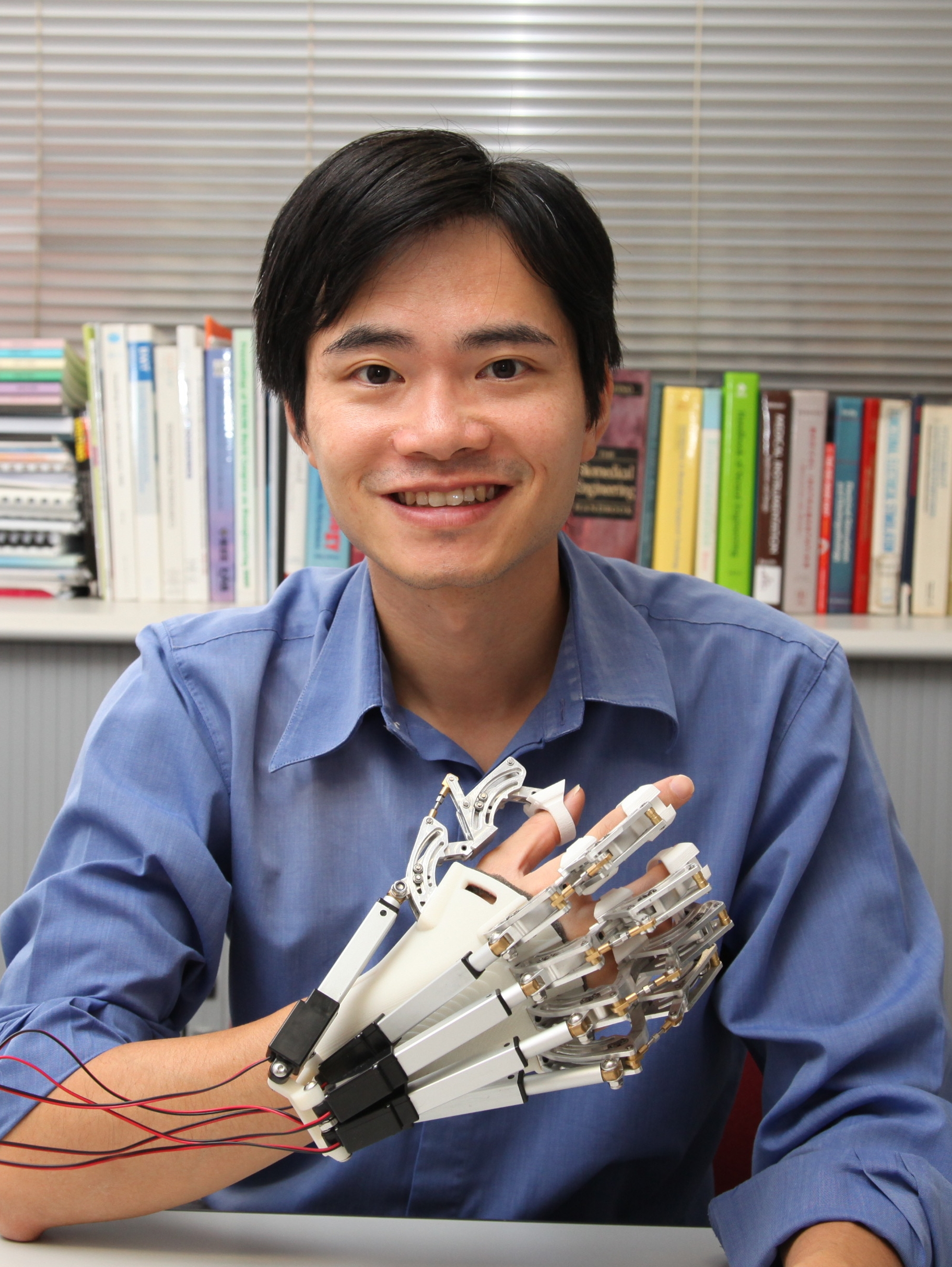
Prof. Dr. Raymond Tong
Professor, Department of Biomedical Engineering,
The Chinese University of Hong Kong
Topic: From Hand of Hope to Soft Wearable Robotics: Task Training and Clinical Impact in Stroke Rehabilitation and Paediatric Gait Support
Abstract: Wearable rehabilitation robotics is rapidly evolving from rigid exoskeletons to soft, comfortable, and clinically practical systems that support therapy across the continuum of care. This keynote will highlight the development pathway from the Hand of Hope exoskeleton to next-generation soft wearable robotics for task training, with an emphasis on clinical effectiveness in stroke rehabilitation. The talk will discuss how wearable robotic devices can deliver repetitive, task-specific training, improve motor engagement, and provide objective performance data to support personalized therapy. It will also examine the importance of usability, comfort, and patient acceptance in translating laboratory prototypes into real-world rehabilitation tools. Beyond stroke recovery, the keynote will celebrate the broader social impact of wearable robotics, including their potential to help children with palsy stand up, walk, and participate more fully in daily life. By combining robotics, sensing, adaptive control, and clinical validation, wearable rehabilitation systems are becoming powerful tools for restoring mobility, independence, and dignity.
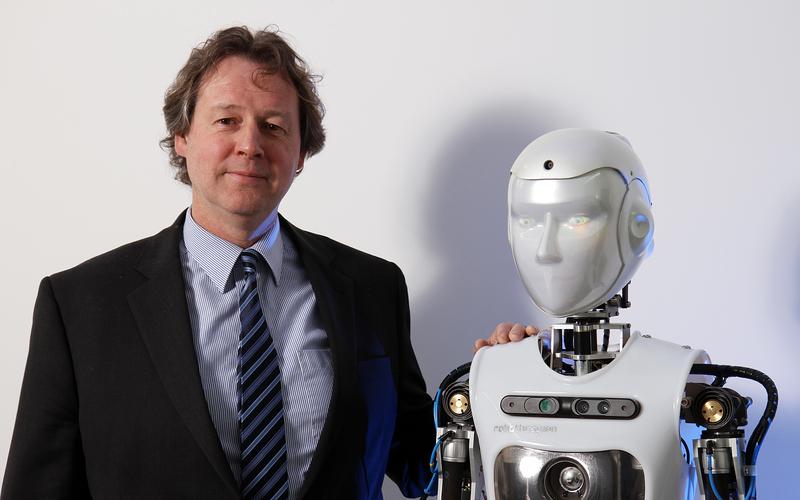
Prof. Dr. Dr.h.c. Karsten Berns
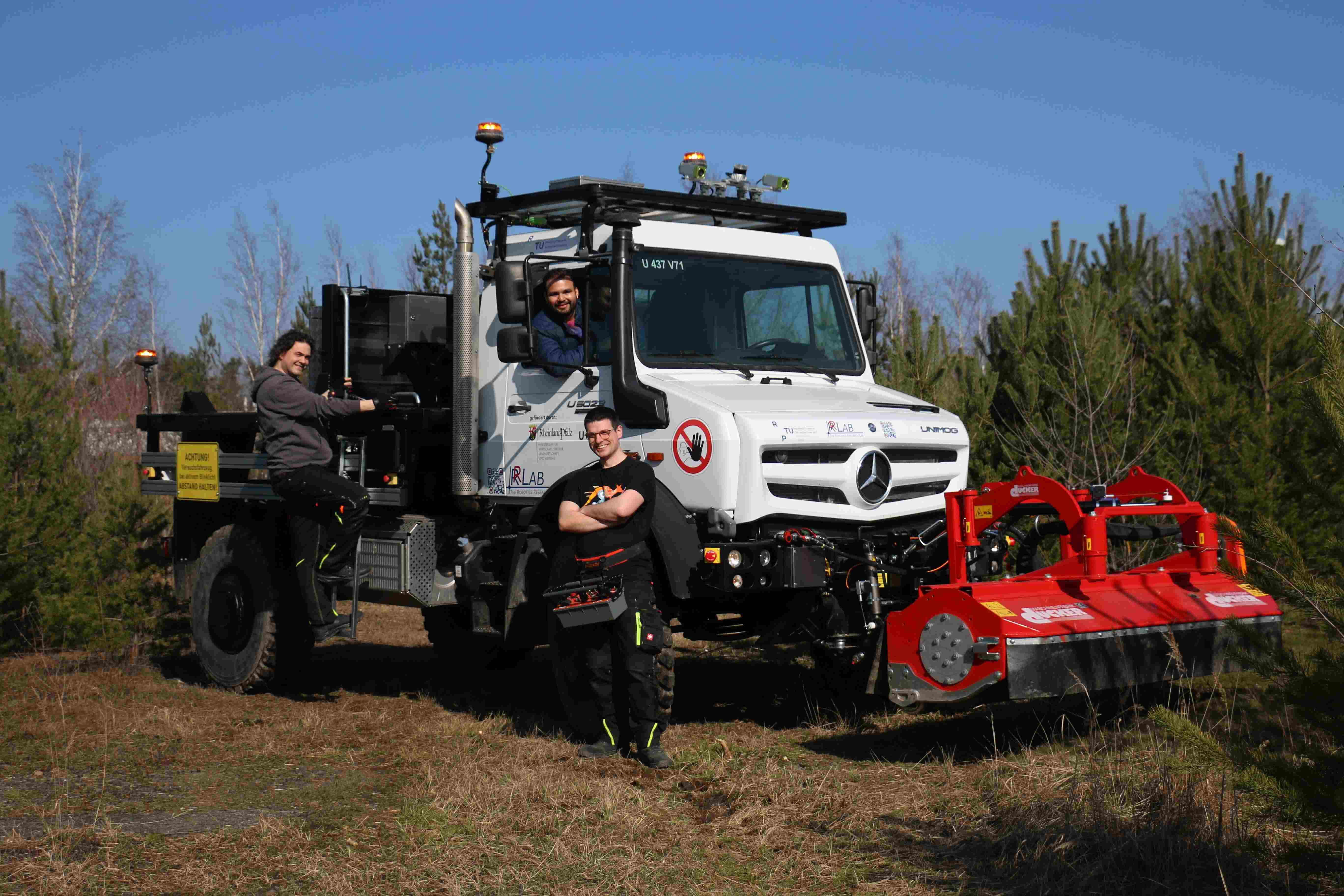
Robotics Research Lab (RRLab), RPTU Kaiserslautern Landau, Germany
Topic: Autonomous Commercial Vehicles – From Research into Commercial Applications
Abstract: Prototypes of autonomous passenger cars are often featured in the press or on television, primarily to discuss future mobility concepts. Less attention is paid to autonomous commercial vehicles such as excavators, road rollers, or agricultural machinery, which demonstrate significantly higher and faster potential for translating research into products. The presentation will first highlight the most important aspects of commercial vehicle automation. These include the mechatronic system, the computer and control architecture, as well as sensor systems and perception algorithms. Using the example of several autonomous commercial vehicles developed by the Robotics Research Lab (RRLab) in recent years, the presentation will demonstrate which system solutions already exist and where further research is needed.